


First impressions are lasting impressions. The exterior of your home often determines how buyers will view the interior.
Start at the front door
- Make sure your front entrance is clean and inviting.
- Paint or replace your front door if it’s faded or worn.
- Add some paint to shutters, trim and any other outside features showing signs of wear.
- Add vibrant plants and put down some fresh mulch.
Accentuate the positive
How we live in a home and how we sell a home are often two different things. Try to see your home with a fresh perspective and arrange each room to bring out its best attributes.
- Keep windows and floors clean.
- Replace faded wallpaper and re-glue any areas that have come away from the wall.
- Repair worn woodwork.
- Repaint scarred or dirty walls in a neutral color.
- Steam clean carpeting or replace it, if necessary.
- Repair loose knobs, sticking doors and windows, warped cabinet drawers, broken light switches and other minor flaws.
- Check and repair caulking in bathtubs and showers.
- Open draperies and curtains to let the light in during the showing.
- Remove unnecessary clutter from your attic, garage and closets to better display spacious rooms (consider storage or a garage sale to dispose of extra items).
- Arrange all your rooms neatly and remove excess furniture. Keep fresh, clean towels in the bathroom. Use candles or air fresheners to make rooms smell pleasant.
Put your home in the best possible light
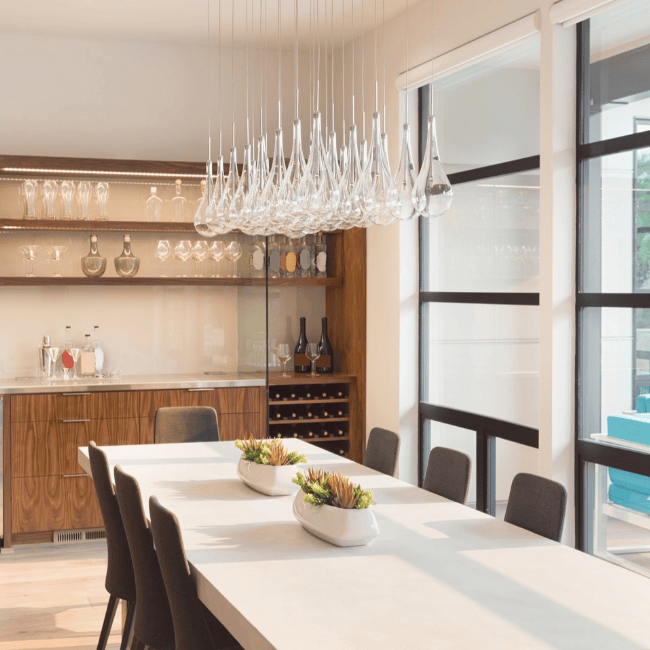
Strategically lighting your home, even during daytime showings, can create a cozy mood and highlight the positive attributes of each room.
- Avoid overhead lighting that makes rooms look washed out and lifeless.
- Be creative and arrange lamps to help smaller rooms seem larger, and large rooms seem more intimate.
- Use lighting to highlight the “living areas” of your home, such as a pair of chairs near a fireplace or a table in a breakfast area.
Inside
- Clear unnecessary objects from furniture throughout the house. Keep decorative objects restricted to groups of 1, 3 or 5 items.
- Clear unnecessary objects from the kitchen countertops. If it hasn’t been used in three months, put it away!
- Clear refrigerator fronts of messages, pictures and so on. A sparse kitchen helps buyers mentally move their own things in.
- In the bathroom, remove unnecessary items from countertops, tubs, shower stalls and toilet tops. Keep only your most-needed cosmetics, brushes and perfumes in one small group on the counter. Coordinate towels to one or two colors.
- Rearrange or remove some furniture if necessary. As owners, we often have too much furniture in a room. That’s wonderful for everyday living, but when it comes to selling, thinning out makes rooms appear larger.
- Take down or rearrange certain pictures or objects on walls. Patch and paint if necessary.
- Review the house room by room. Paint any room that needs it, clean carpets or drapes that need it, and clean windows.
- Leave certain lights on during the day. During showings, turn on all lights and lamps.
- Play soft background music during showings.
- Lockbox: this is the number one priority. If we don’t have it, they won’t show it.
Outside
- Trim landscaping to reveal architectural details, like the bottoms of windows. If they can’t see it, we can’t sell it.
- Walk the perimeter of the house and move garbage cans, discarded wood scraps, extra building materials and the like into the garage.
- Check gutters and the roof for dry rot. Make sure they are swept and cleaned.
- Look at all plants. Prune bushes and trees, and keep plants from blocking windows. Plants are like children: they grow so fast!
- Weed and mulch all planting areas. Keep the lawn freshly cut and fertilized. Remove any dead plants or shrubs.
- Clear patios and decks of small items such as planters, flower pots, charcoal, grills and toys (put them in the garage).
- Check the paint condition of the house, especially the front door and trim. Curb appeal really works!
In general
Try to look at your house “through the buyer’s eyes,” as though you’ve never seen it before. Any time or money spent on these items will bring you back more money in return, and hopefully a faster sale.
The nine-minute showing drill
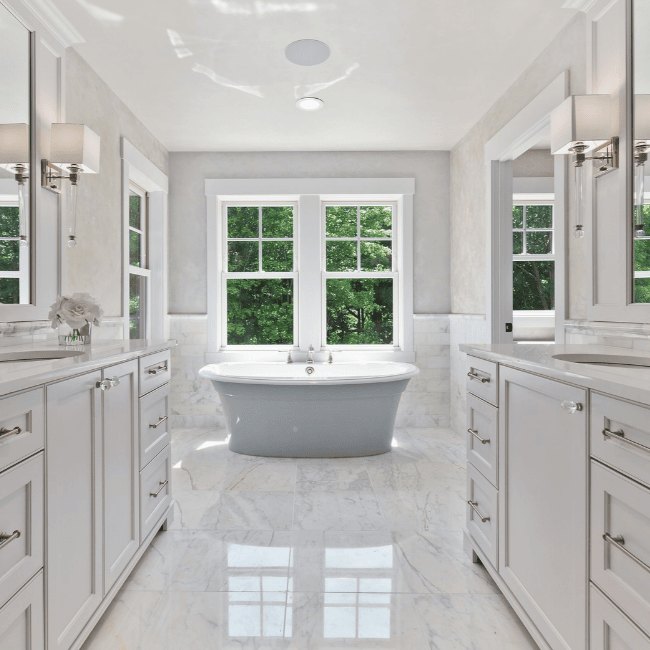
Occasionally you will receive a call to schedule a showing within the next few minutes. Here’s a checklist for exactly that kind of panic.
- Sound: Turn off the television and play soft music at a low volume.
- Sight: Turn on every light in the house (day or night) and open every drape and blind (daytime only).
- Odors: Warm some frozen pastry slowly in the oven, or heat a pan on the stove and add a few drops of vanilla.
- Kitchen: Wipe the counters and put dirty dishes in the dishwasher.
- Bathrooms: Wipe the counters, flush and close the toilets.
- Living and family rooms: Hide magazines, newspapers and games, and remove clutter.
- Bedrooms: Straighten beds. Hide clutter under the bed (not in the closet).
- Exterior: Put away toys and clutter. Keep the walk clear.
- Children and pets: They are a distraction, so take them outside.
- Goodbye: This is the single most important thing you can do to help sell your home! Even if the showing agent says it’s okay to stay, you should leave. Buyers need to get emotionally committed to a home to buy it, and they can’t imagine it as “their new home” with the current owners hanging around. At the very least, go into the backyard. Even better, go to the store.